

WOMENS OF NAPLES
Parthenope

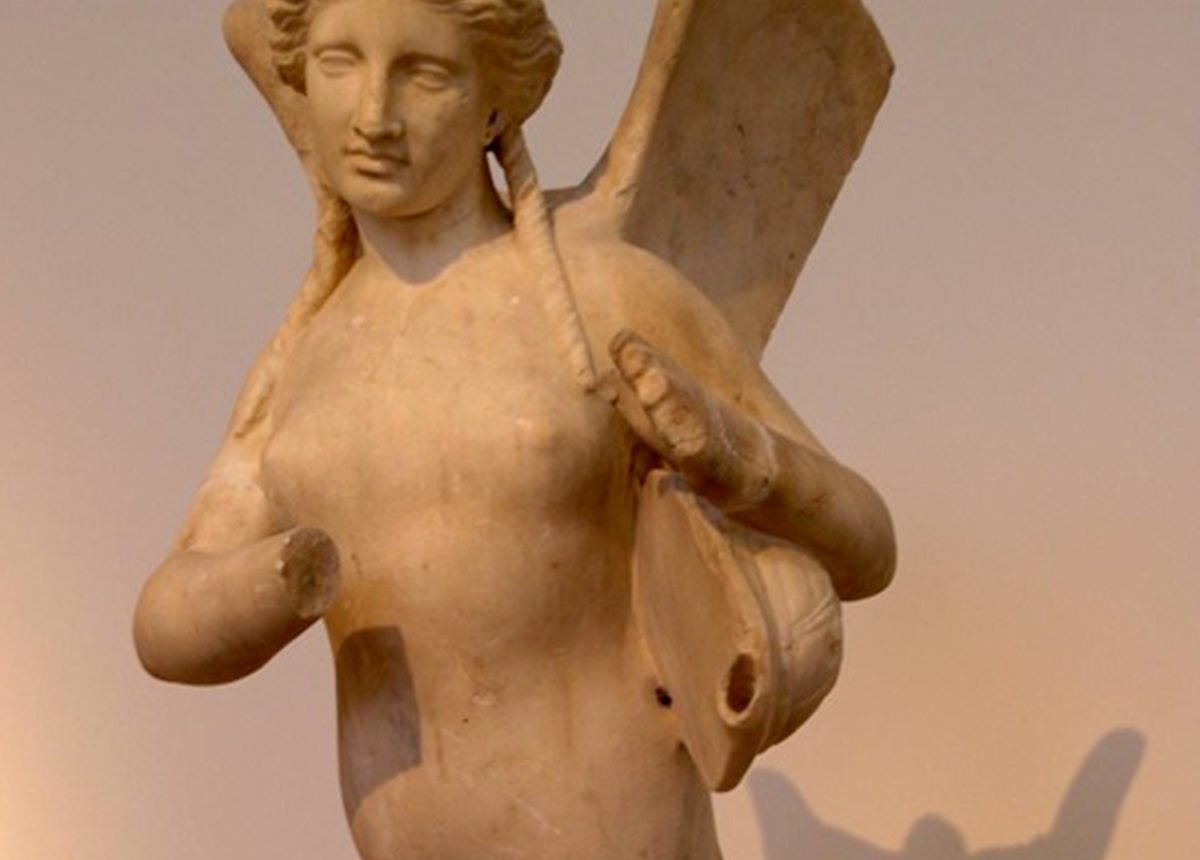
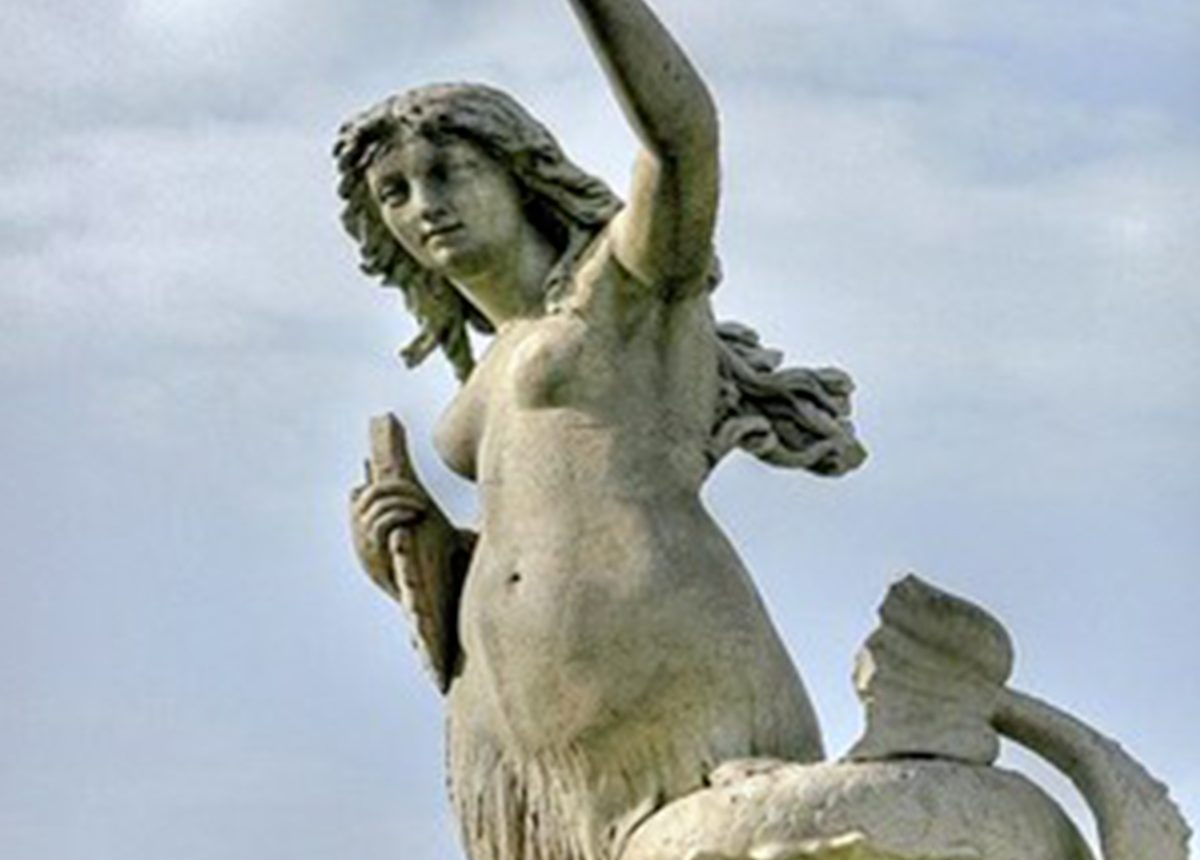
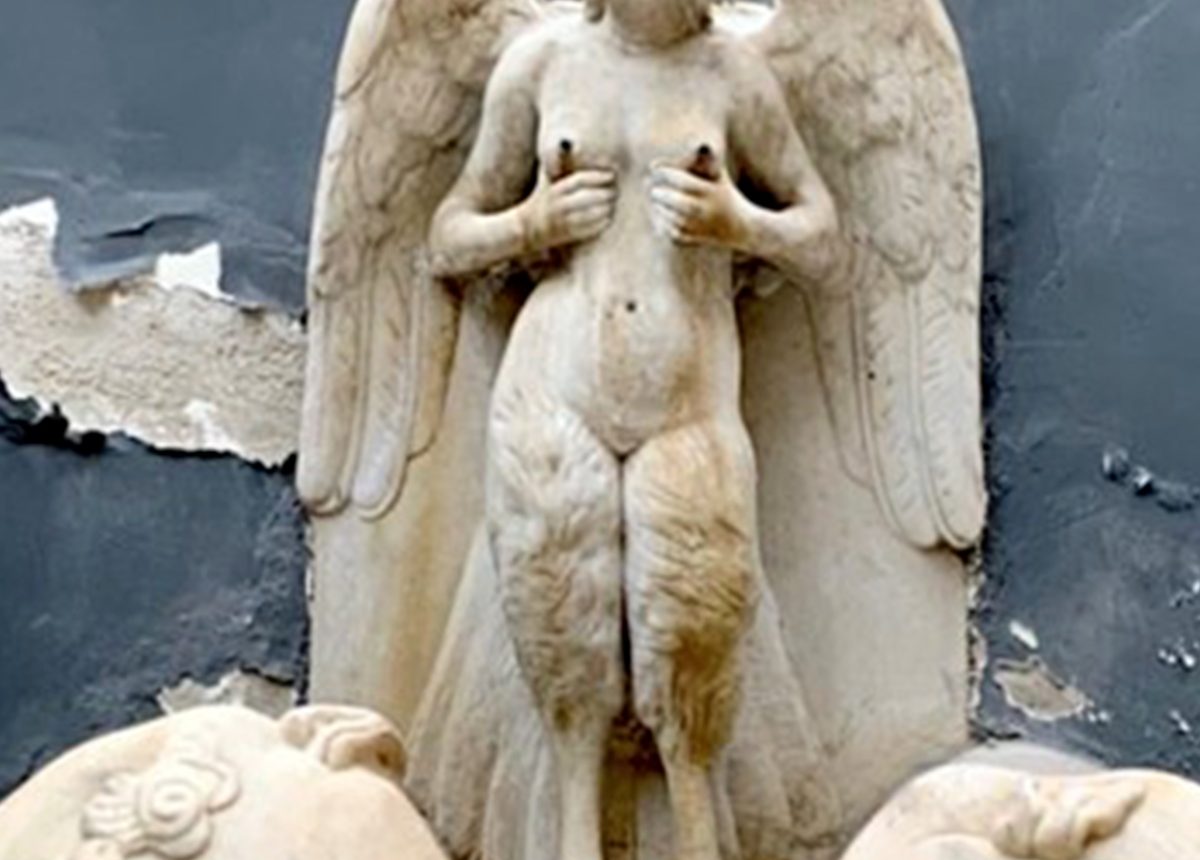
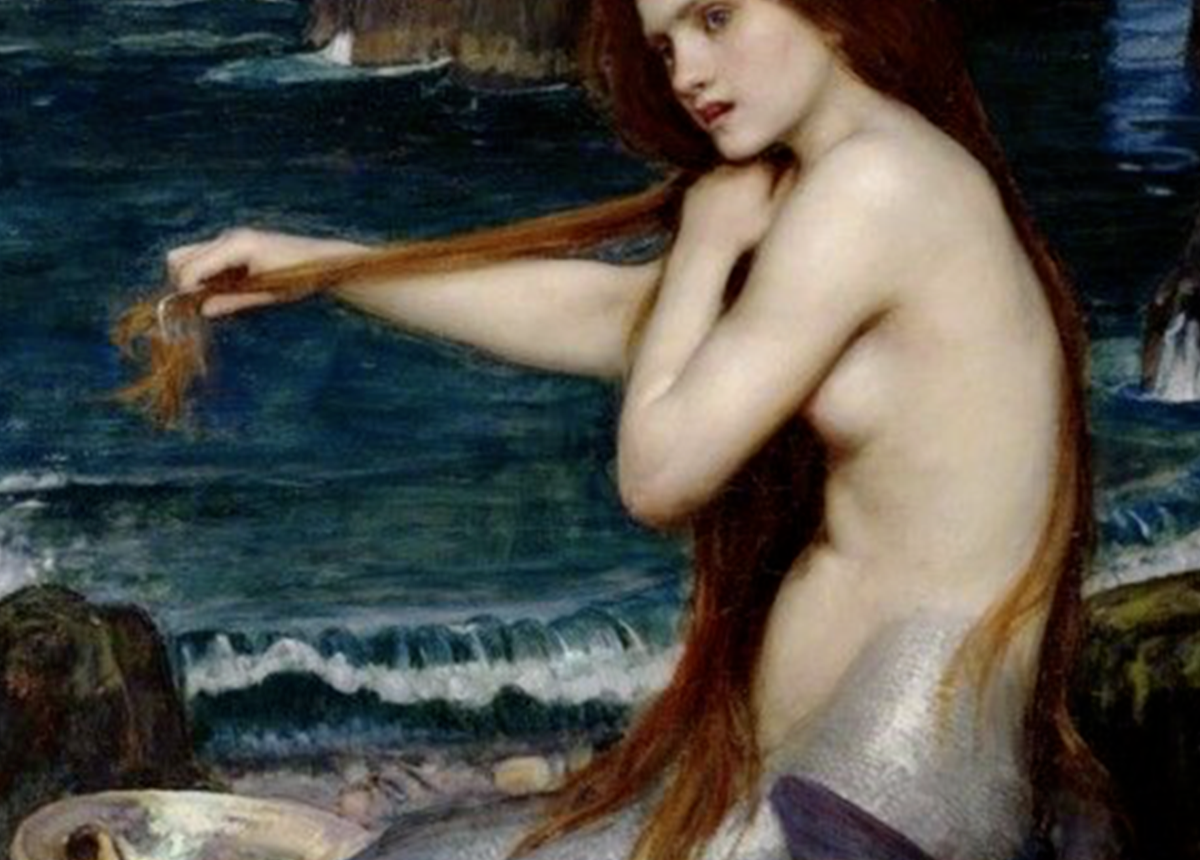
Parthenope emerges in the waters of Greek myth, daughter of uncertain genealogies that are lost among the waves of ancient memory. Hesiod wants her born from Phorcys, the arcane god of the deep sea, while other traditions say she is the daughter of Achelous - the singing river - and of the mother Earth, or of the muse Terpsichore, the one who governs dance and singing. Like her sisters Ligea and Leucosia, Parthenope possessed that dual nature that fascinated and terrified the sailors of antiquity: the body of a bird with powerful wings and the face of a woman of incomparable beauty, the living embodiment of the magical power of singing that could fascinate men to the point of perdition.
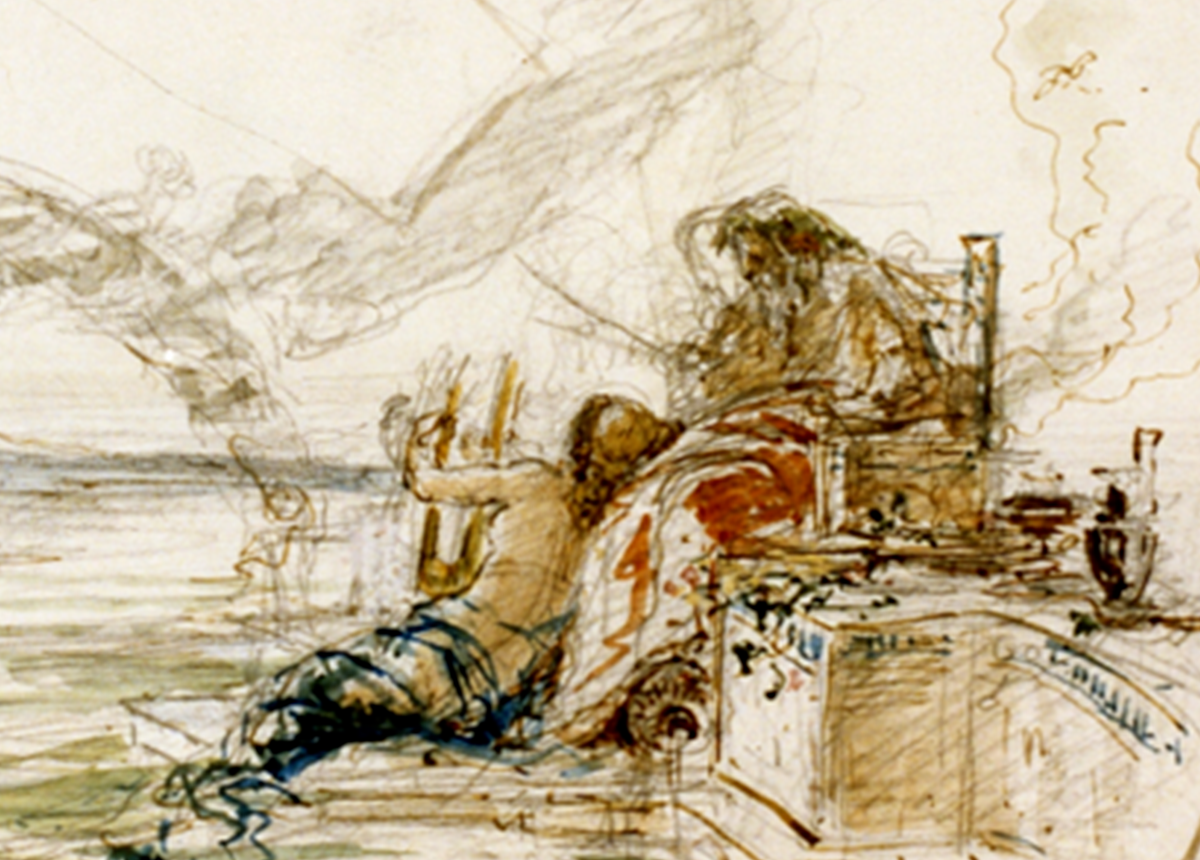
Two traditions tell of the tragic fate of Parthenope and her sisters. The oldest, kept in the Orphic Argonautics, tells of a musical challenge where the Sirens were defeated by the divine Orpheus, whose song managed to surpass even theirs in beauty and power. Humiliated by the defeat, they threw themselves into the sea and were transformed into rocks, eternal guardians of the waters they had dominated. But it is in the other tradition, that of Apollonius Rhodes, that the destiny of Parthenope is inextricably intertwined with that of the city of Naples. It was Odysseus' indifference to their bewitching song that broke the Sirens' hearts forever. "Parthenope is not dead, she has no grave.
She has lived, splendid, young and beautiful, for five thousand years", as Matilde Serao poetically observed, but the myth tells differently: prostrate by pain, the Sirens threw themselves into the waters that transported their bodies to different places in the Mediterranean. Parthenope's body, cradled by the Tyrrhenian currents, reached the mouth of the Sebeto, where the sea kissed the land that would become the beating heart of Magna Graecia. Here, according to myth, the Cuman colonists, heirs of Greek wisdom and Euboean descendants, erected a tomb for her on a hill overlooking the sea, in a central point, to allow the mermaid to observe the sea forever. Thus it was that Parthenope, the first city, emerged from the encounter between myth and history, followed by the more famous Neapolis.
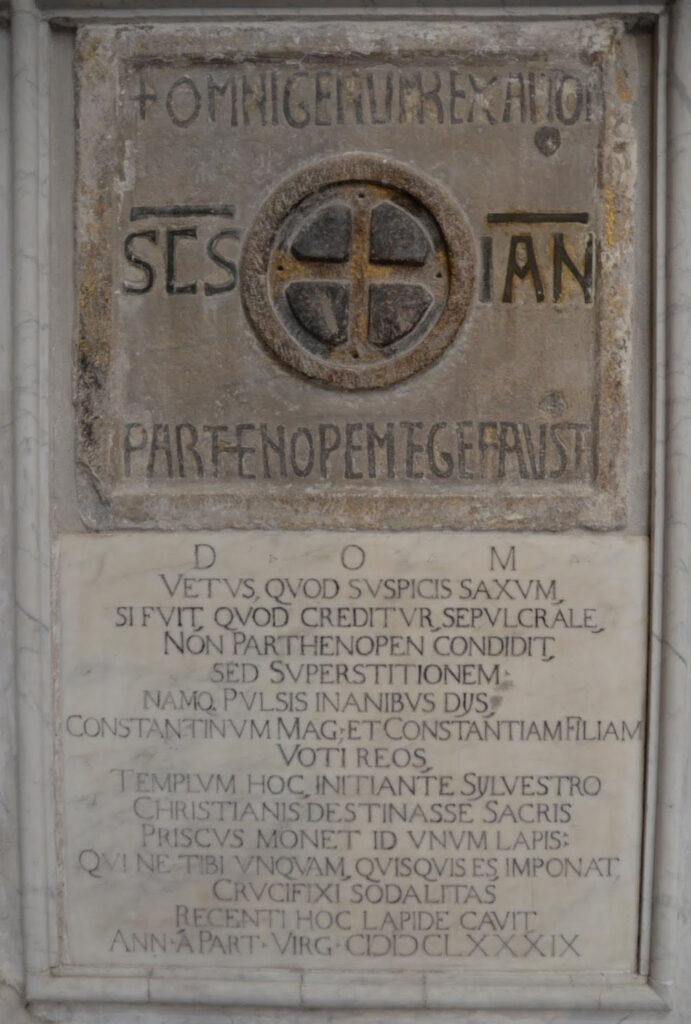
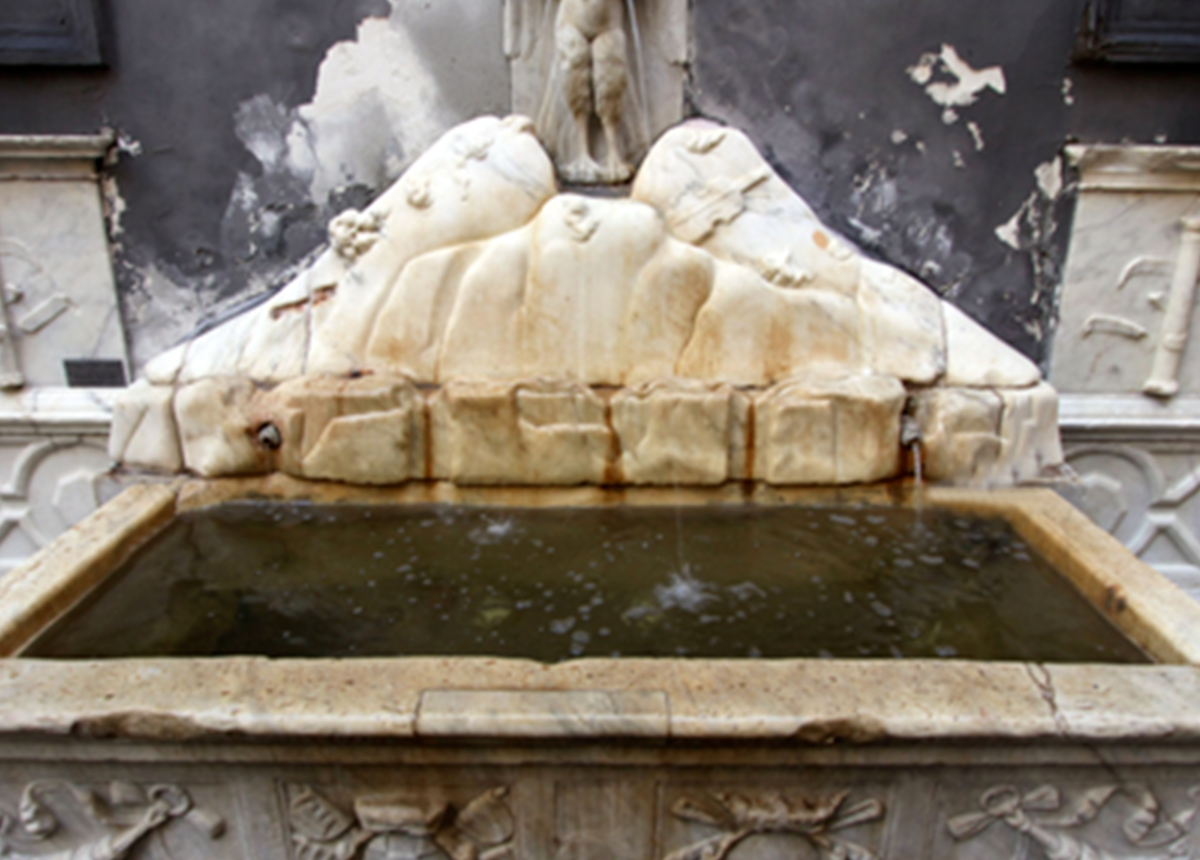
For the Neapolitan people, fascinated by the myth of the mermaid there is no doubt: Parthenope's tomb it is located in the Basilica of San Giovanni Maggiore, one of the most important basilica churches in Naples. Here, in a relationship between pagan and Christian, God is invoked in the blessing of that mythological mermaid so dear to the Greek fathers. The superposition of the sacred Christian on the pagan cult of the Mermaid represents one of the most fascinating testimonies of how Naples has always been able to welcome and merge different traditions without losing its identity. Today Partenope continues to live in the soul of Naples not only as a symbol of wisdom tradition and reference to Greek origins, but as an authentic spiritual protector of the city.
The Mermaid who once enchanted sailors with her fatal song has become the voice of Naples itself: an eternal melody that resonates through the alleys, it is reflected in the sea of the Gulf and continues to seduce anyone who approaches this city of a thousand souls. As Matilde Serao wrote, Partenope "runs on the hills, on the beach" - immortal guardian of a city that, just like her, never stops singing its irresistible siren of love for life. In her, myth and reality merge in an eternal embrace, testifying how some legends are truer than history itself, because they continue to live in the hearts of those who guard them.
Photogallery
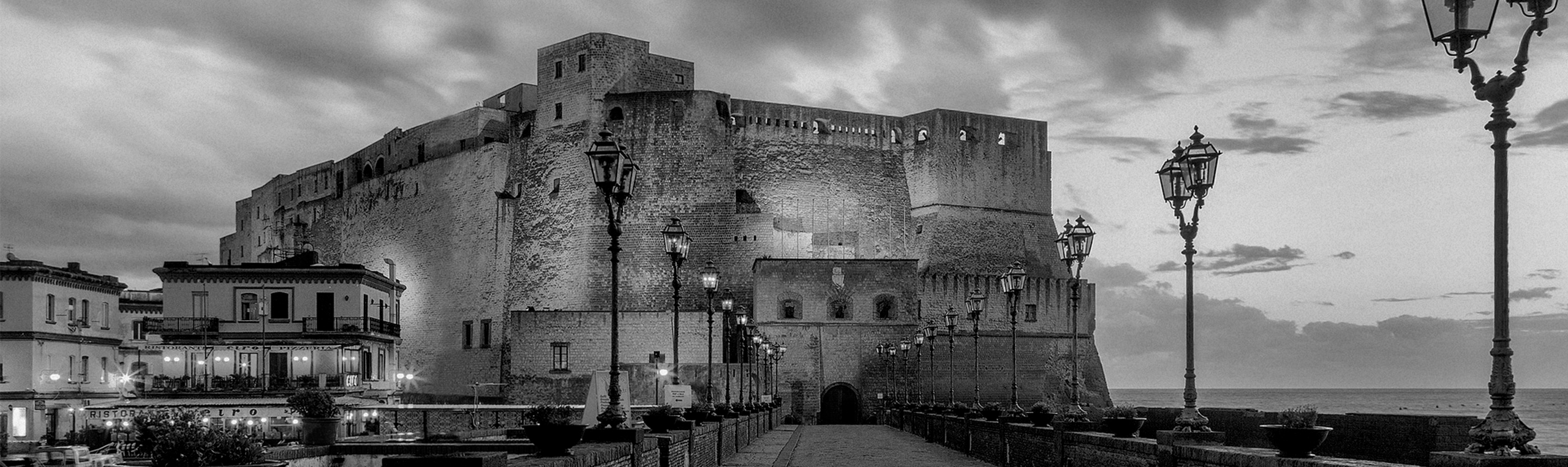
Castel dell’Ovo
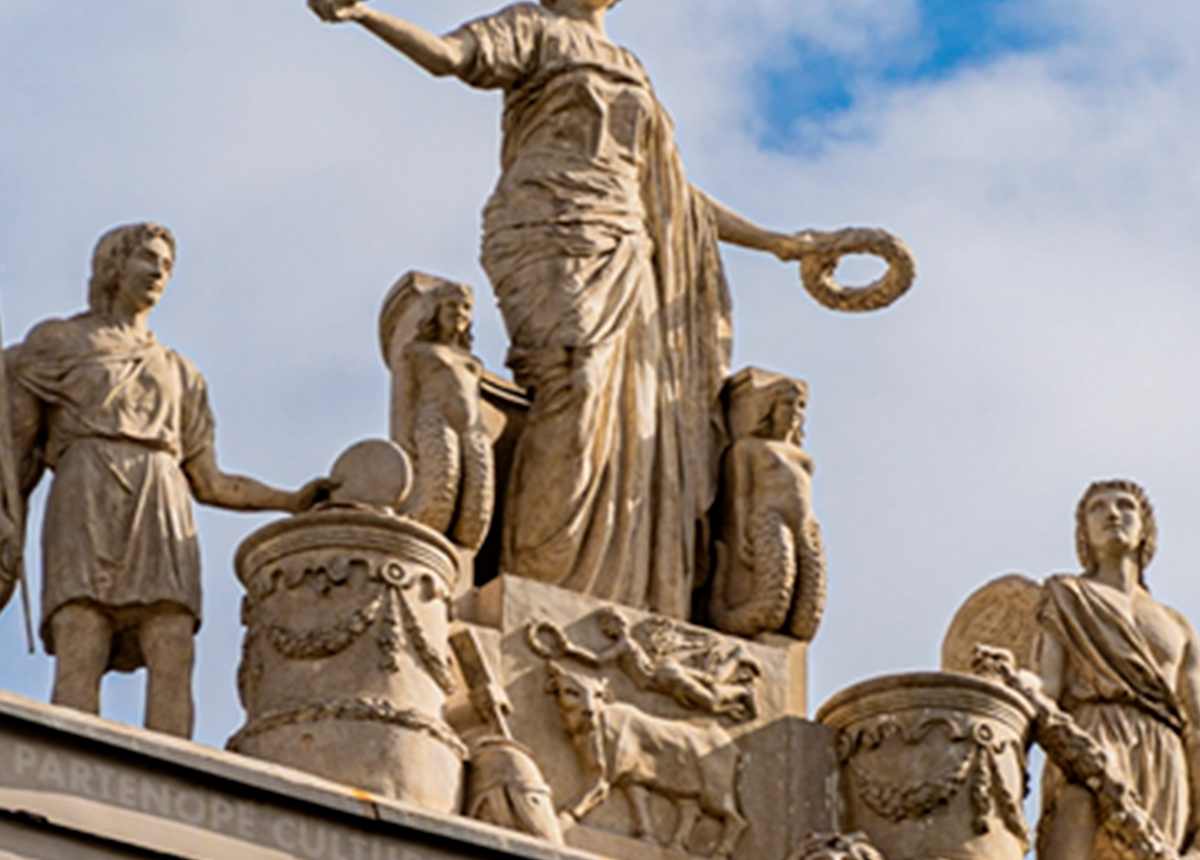
The Castel dell'Ovo, built on the islet of Megaride, is one of the oldest places in Naples and the first treasure chest of myth. Here, according to legend, landed Parthenope, the mermaid who gave her name to the city. Megaris was one of the first Greek settlements in the 7th century BC and, in the Middle Ages, it became the site of the castle, named after a legend linked to a magical egg hidden in its foundations. From this place Naples was born, the legendary cradle of the city and the landing point of the mermaid Parthenope.
The Basilica of San Giovanni Maggiore is among the most important basilica churches in Naples. Legend has it that Emperor Constantine desired the construction of the church as thanks for his daughter Constance's escape from shipwreck. The foundation date of the basilica, placed on a pre-existing pagan temple (perhaps dedicated to Hercules or Antinous), should be placed around the year 324, as supported by a Greek-era inscription found on an architrave. Above the doorway leading to the Oratory of the Confraternity, there is a marble plaque dating back to the 10th century AD, with an engraving (written in Roman characters around a cross, once covered in golden lead) that seems to exhort the protection of the city “Omnigenum Rex Altor Partenopem tege fauste / Most High Creator of all things happily protect Parthenope” has fueled the legend that the church is the burial place of the mythological Parthenope, the mermaid to whom ancient myth attributes the foundation of the city of Naples. In a relationship between pagan and Christian, God is invoked in the blessing of that mythological mermaid so dear to the Greek colonists, founders of the city. The cult of Parthenope was so strong among the people that in the 17th century AD, the then bishop decided to post a marble epigraph, which we still find right under the mysterious mermaid's tombstone, with which he severely warned the naive people to believe in un-Christian and unfounded superstitions. To date, there are no traces of further finds of temples or epigraphs dedicated to the mermaid: the tombstone of the Basilica of San Giovanni Maggiore remains the only evidence in which, for the first time, Naples is identified with its ancient name of Partenope.