


WOMEN OF NAPLES
Maria Bakunin

Maria Bakunin was a brilliant, talented, and generous woman scientist. The third child of anarchist Mikhail Bakunin and Antonia Kviatovoska, Maria was born in 1873 in Krasnoyarsk, a city in central Siberia. Although she was actually the biological daughter of Carlo Gambuzzi, a Neapolitan lawyer, Maria never renounced the surname of her foster father, whose cultural and moral legacy she retained. Always passionate about science, she became a trainer at the Institute of Chemistry in Naples and in 1895, at a very young age, she graduated in Chemistry from the University of Naples with a thesis on stereochemistry. In particular, he introduced a new method for cyclization, a chemical reaction resulting from the use of phosphoric anhydride; he studied pigments and melanins, so much so that his scientific commitment can be said to coincide with the birth and affirmation of modern chemistry. In addition to being a researcher, Maria Bakunin was also a passionate teacher. In fact, in 1909 he became a professor of Applied Chemistry at the Polytechnic High School of Naples; in 1912 he won the competition as a full professor of Organic Chemistry, a position he held effectively from 1917. Among the numerous positions she was given, in 1914 she conducted research on the school system of Belgium and France, in order to gather useful information to improve the national one, at the behest of the minister Francesco Saverio Nitti. Furthermore, from 1940 to 1947 he held the chair of Applied Chemistry at the University of Naples. His interest focused mainly on oil shales, particular sedimentary rocks very widespread in some areas of southern Italy. Bakunin used his skills to extract ichthyol, an organic mineral tar, from such rocks. When processed, it is used as an ointment for the treatment of dermatological diseases such as psoriasis. On his initiative, the ointment was produced in the Picentini Mountains, in the Salerno area. A woman with a strong personality and a strong character, extremely famous in the Neapolitan community, Maria Bakunin was a prominent figure not only as a scientist and teacher, but also for her role as director of various scientific institutions. In 1919 she became vice president of the Neapolitan Section of the Association of General and Applied Chemistry; in 1932 she was elected president of the Academy of Physical and Mathematical Sciences of the “National Society of Sciences, Letters and Arts in Naples”. She was the first female member of the Accademia Nazionale dei Lincei in the physical sciences class, in 1947. Furthermore, a member of the Pontaniana Academy since 1905, she became its president after the Second World War: the first and only woman to lead the ancient institution. An intense existence, that of Marussia, a woman with visionary talent and competence in the field of science, capable of mastering and experimenting with mastery. She moved to defend “her” Institute of Chemistry during the Second World War when the Germans threatened to set fire to the libraries of the university building in Mezzocannone and she, as Nicolaus recalls in the text “Remembrance of Maria Bakunin”, «sat down near the flames, crossing her arms. The German lieutenant commander, amazed by such courage, gave the order to retreat and the damage was less serious». Maria Bakunin died in her home, inside the University Chemical Institute, at Via Mezzocannone 10, on April 17, 1960. The esteem and affection that the city paid her manifested itself eloquently at her solemn funeral, organized by the University of Frederick II. Hundreds of people accompanied the coffin in a moving tribute: the funeral procession, with a chariot drawn by four plumed blackberries and a livery coachman, took a symbolic route through the places that had marked his life, from the institutes where he had taught to the laboratories where he had conducted his research. Today, only a plaque with the house number remains of the apartment where he lived, a discreet but significant testimony to a presence that has profoundly marked the history of the Neapolitan University.
Maria Bakunin's funeral
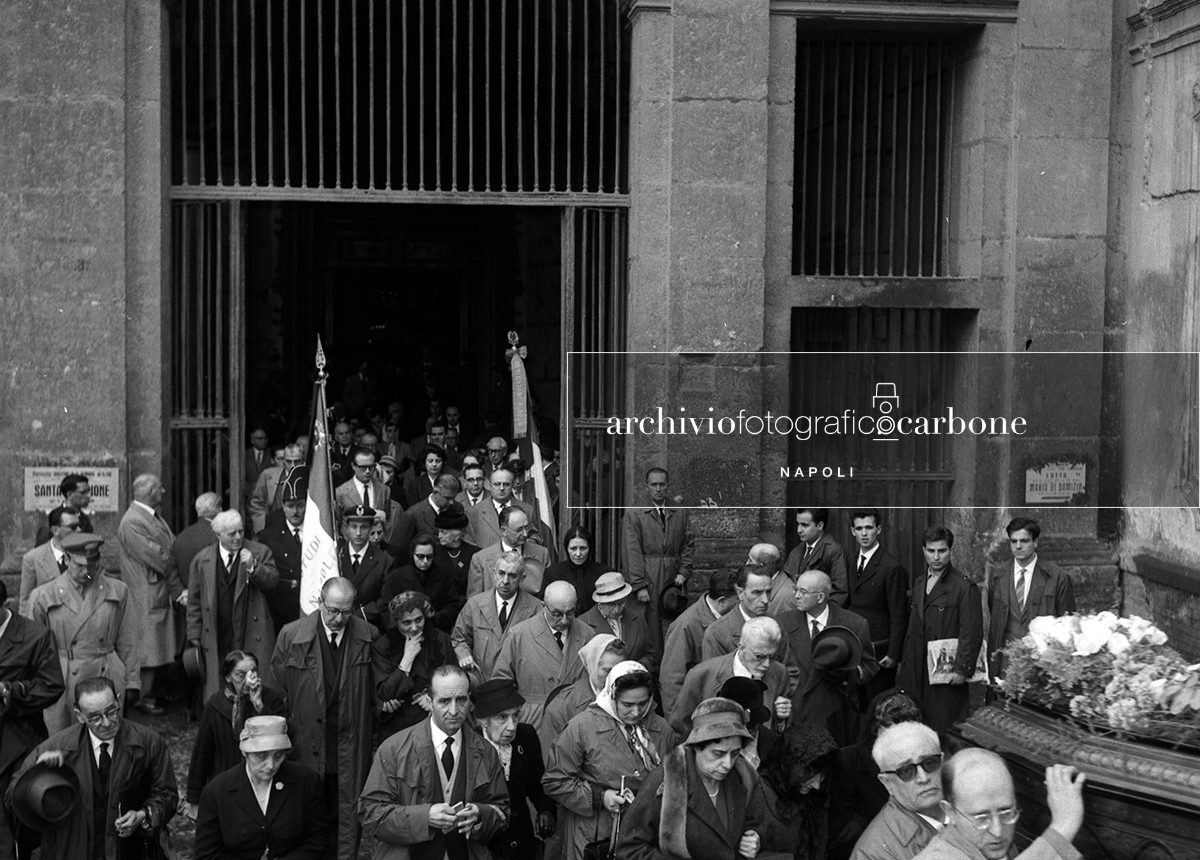
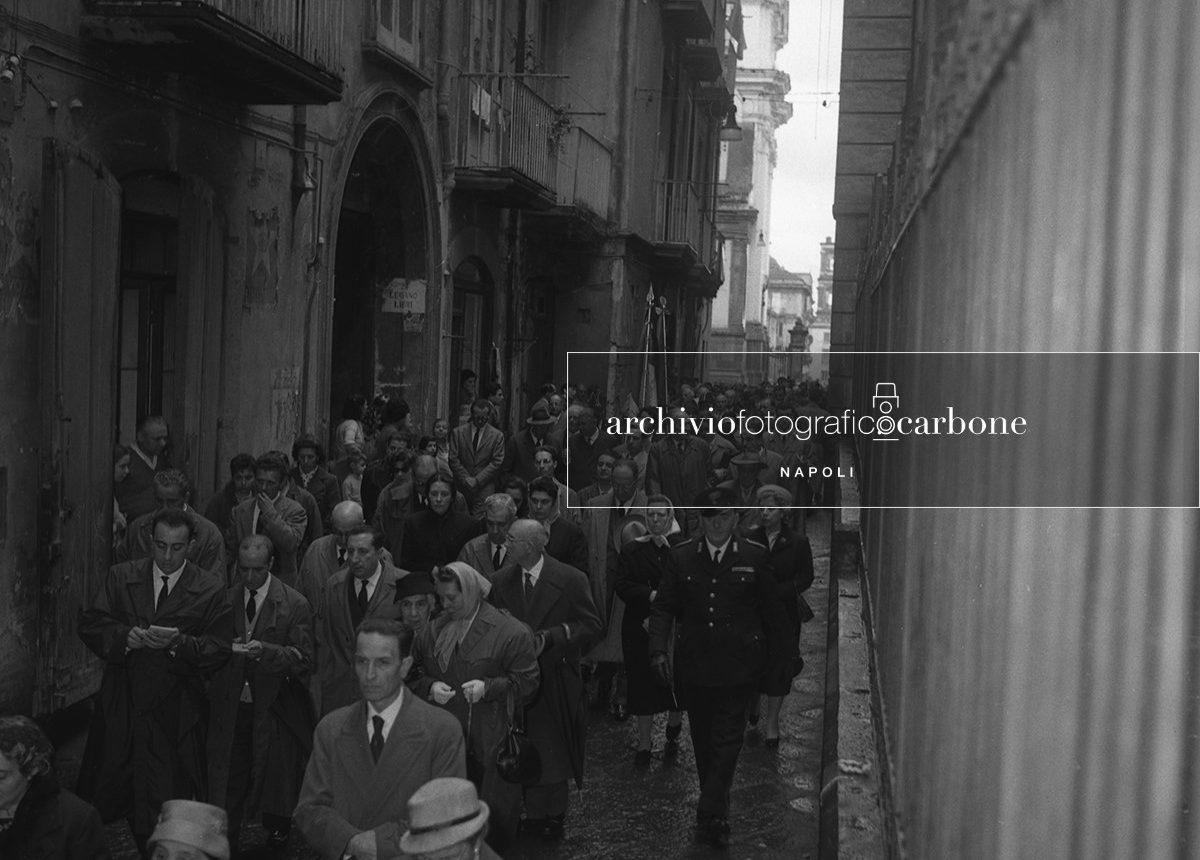
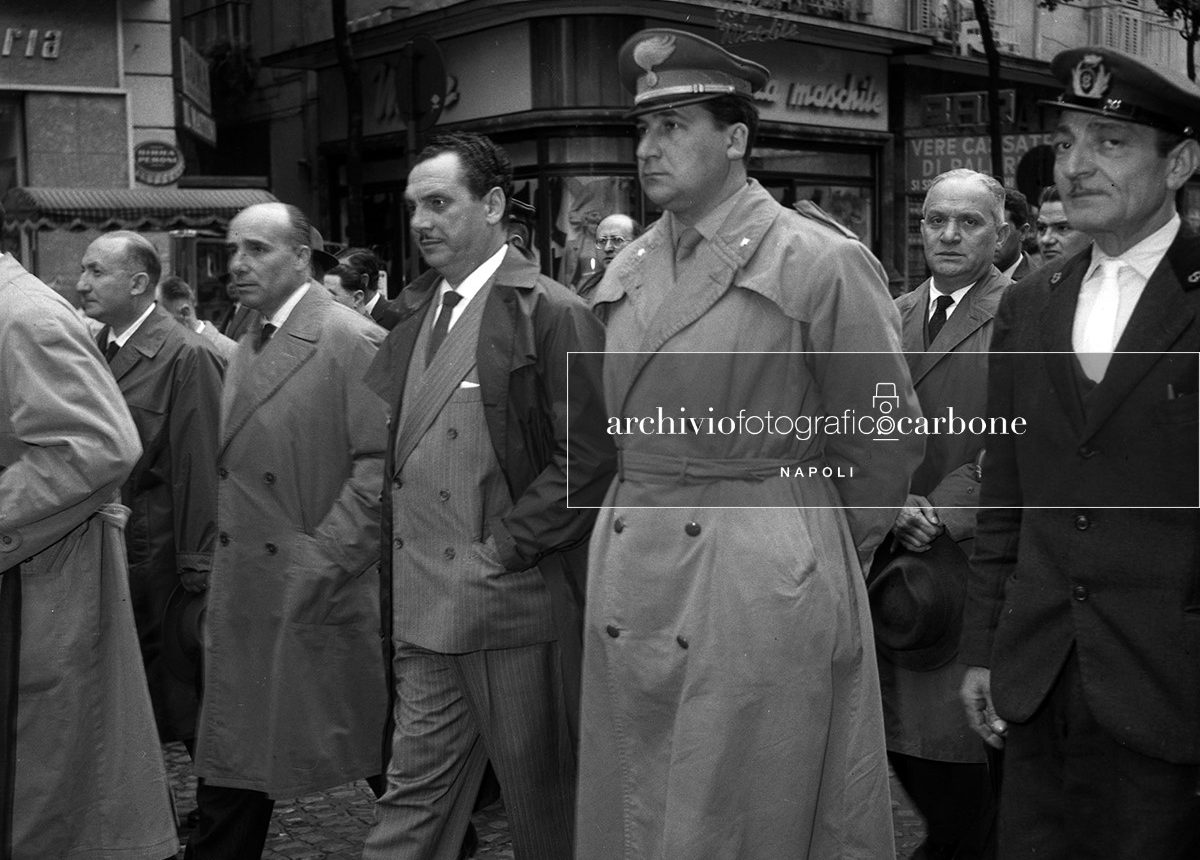
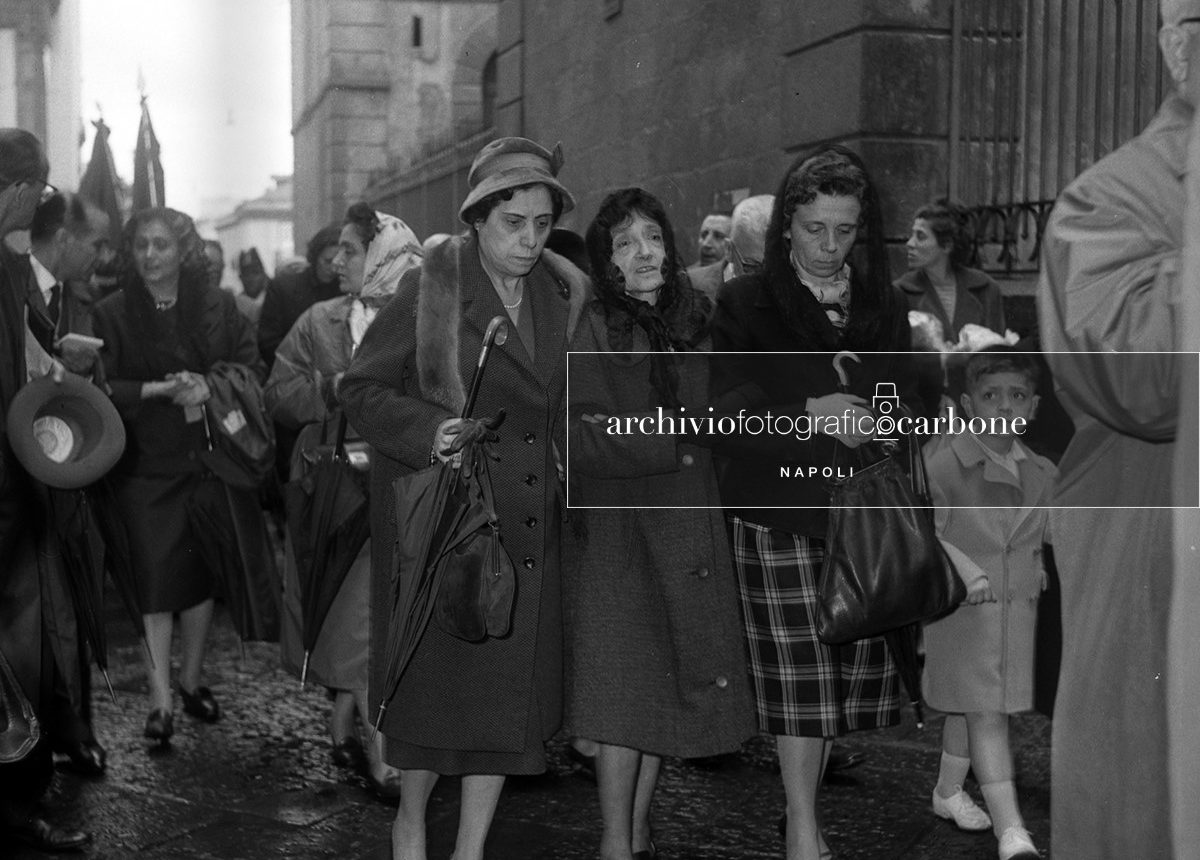
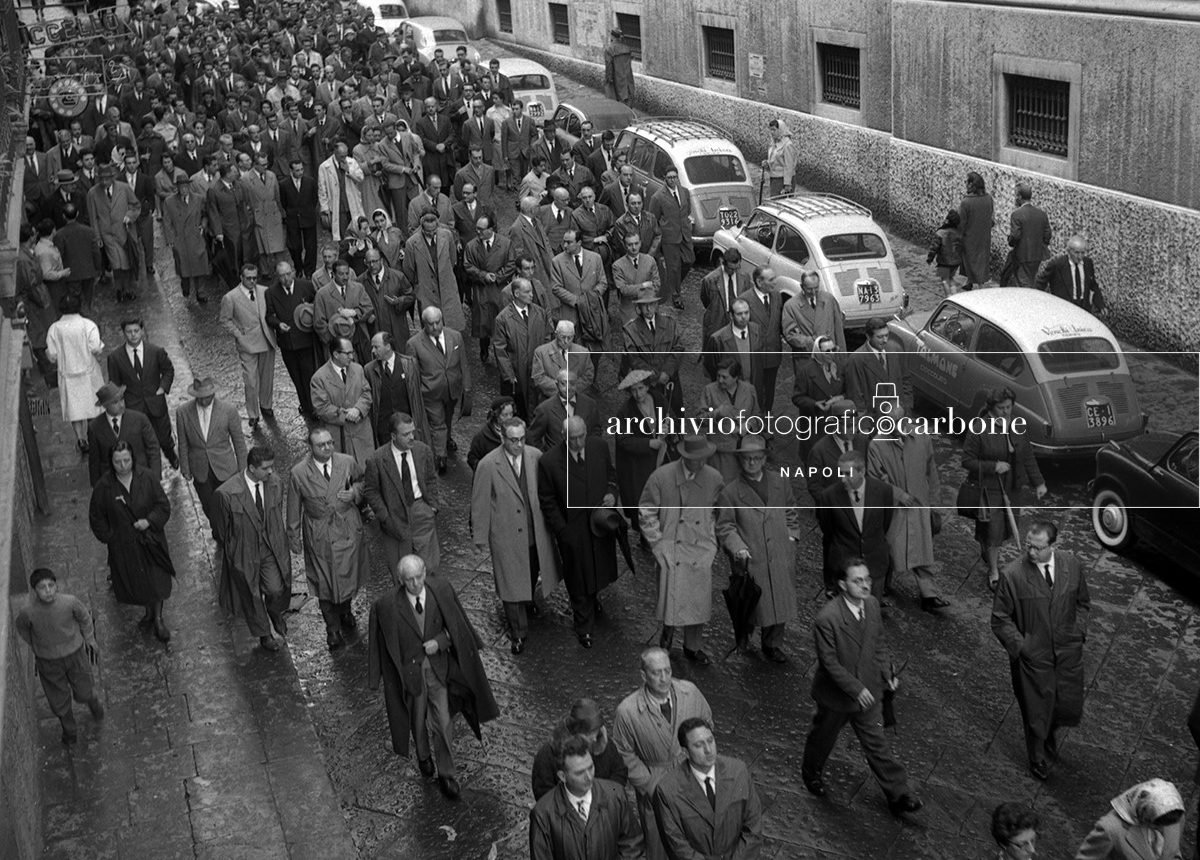
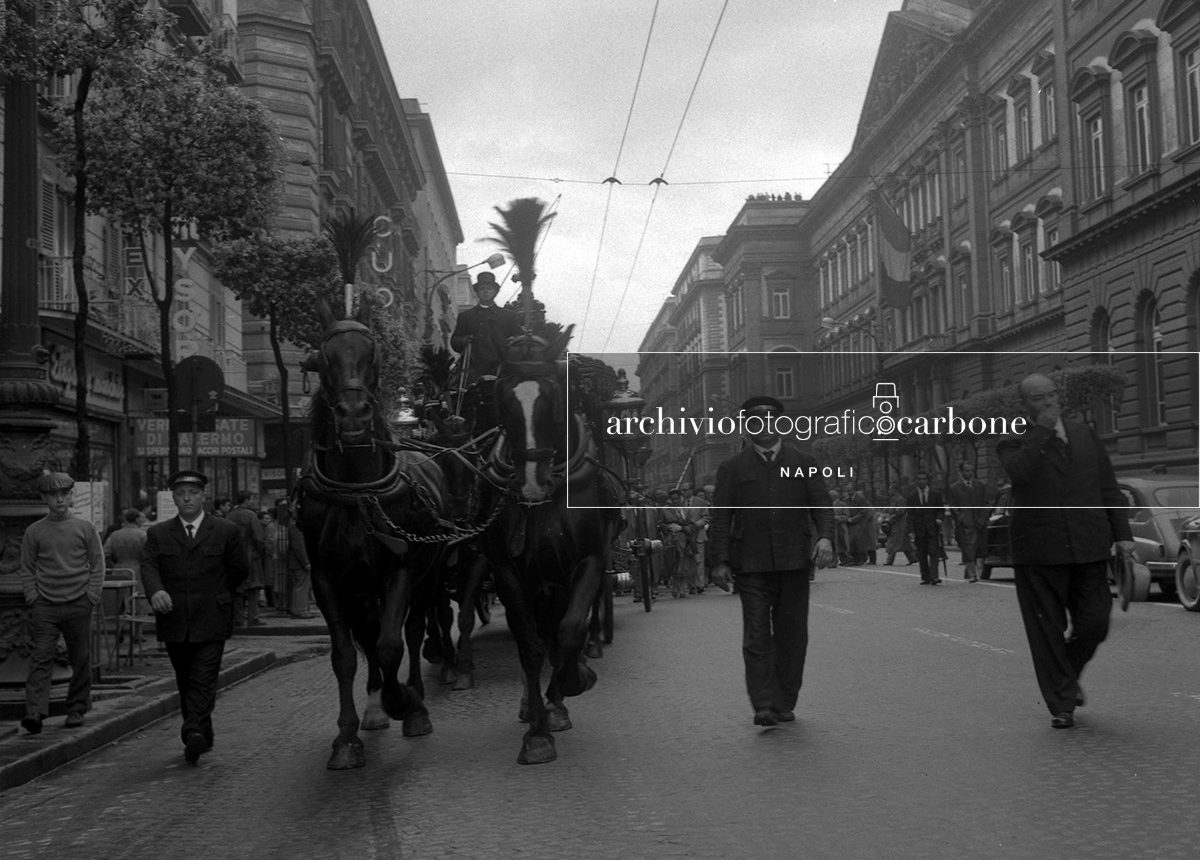
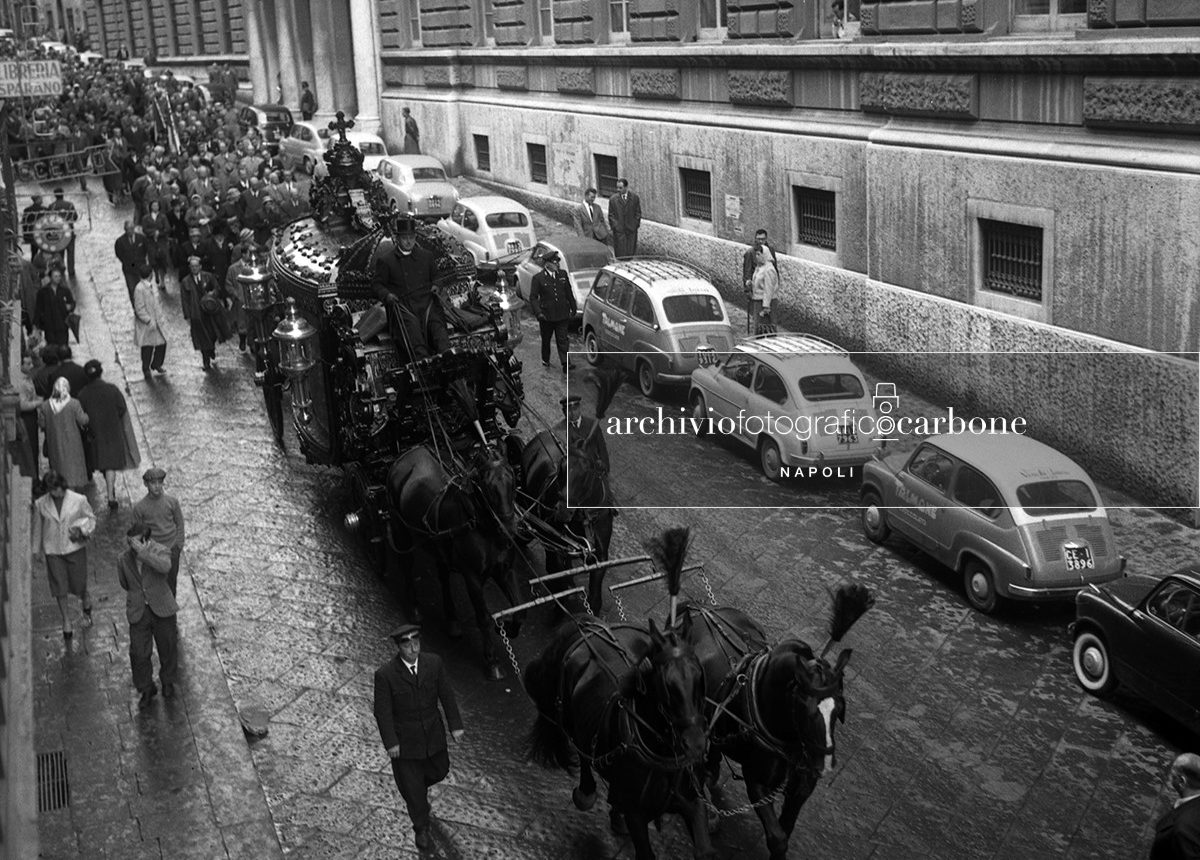
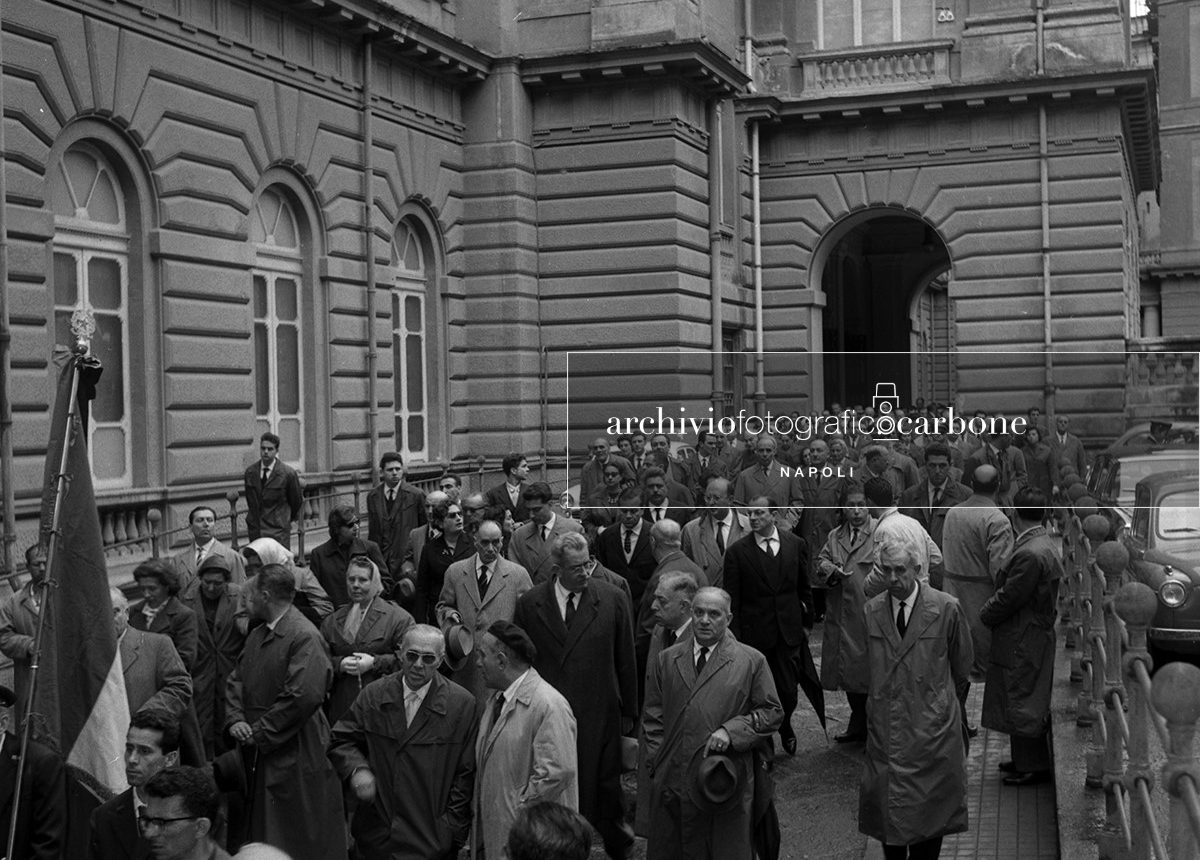
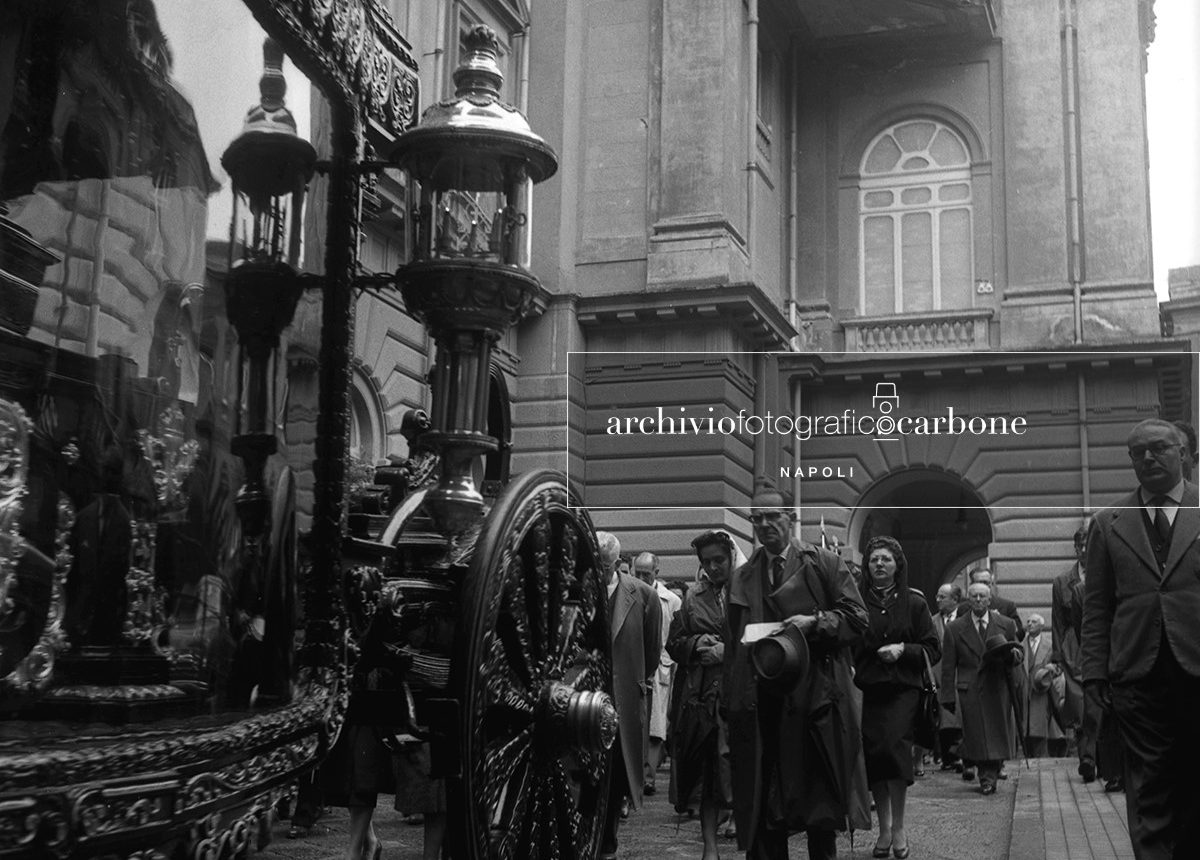
Photo Credits: © Archivio fotografico Carbone
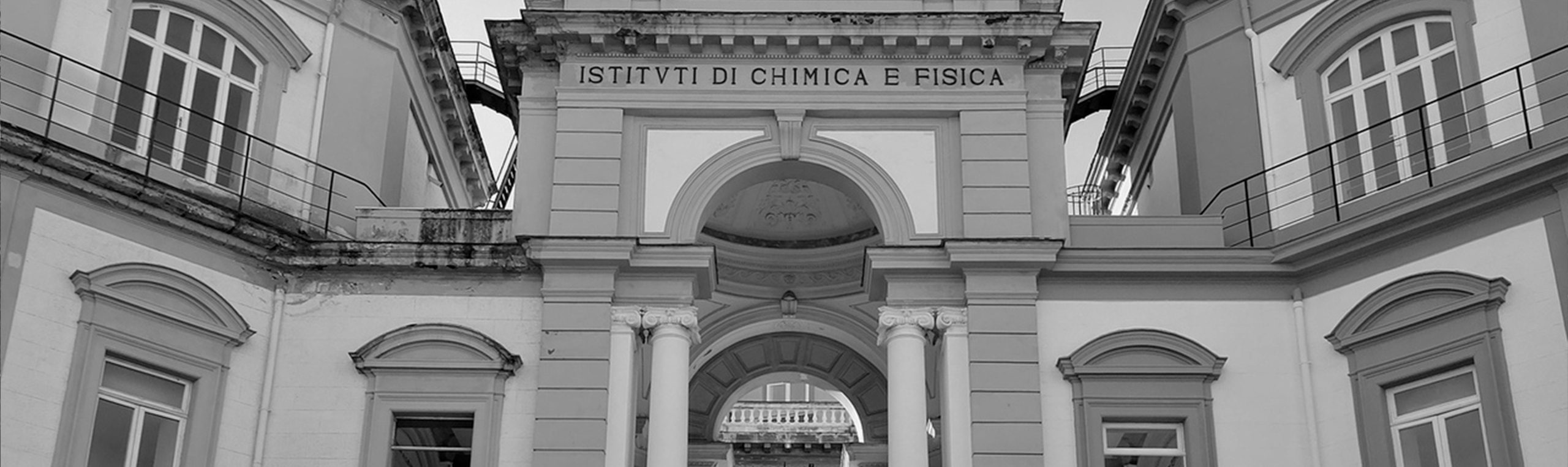
Federico II University Institute of Chemistry and Physics
The Institute of Chemistry and Physics where Maria Bakunin taught and worked was built in the context of the great project of Redevelopment of Naples. The Federico II University was faced with a substantial reorganization of its spaces. The project was entrusted to engineers Guglielmo Melisurgo and Pier Paolo Quaglia, who between 1893 and 1896 drew up a plan that included not only the renovation of the former Jesuit college (which dates back to the mid-sixteenth century), but also the construction of three new buildings, intended to house the Rectorate, the Faculties of Letters and Law and the Institutes of Chemistry and Physics. These works were completed with the construction of the central body of the university on the Rettifilo and the two set-back bodies, connected by the staircase that allowed the difference in height of more than seven meters to be overcome. The Institute of Chemistry was located in the building on the left of the famous Scalone della Minerva, with an entrance on via Mezzocannone 4. This building, the twin of the one that housed the Institute of Physics, has a T-shaped plan and has an octagonal “amphitheatre-like” classroom located near the junction with the staircase, a feature that highlighted the design attention towards the teaching needs of the time. The then director of the Institute of Chemistry was Agostino Oglialoro Todaro, Bakunin's husband since 1896. The history of the Institute continued with further changes that reflected the transformations of the Neapolitan University. In 1970, thanks to the availability of the premises freed by the transfer of the Faculty of Engineering to the new complex in Piazzale Tecchio in Fuorigrotta, the Institute found a new location in via Mezzocannone 16. The new millennium marked a phase of further territorial expansion of the University, with the construction of the Monte Sant'Angelo complex where the Department of Chemical Sciences has been located since 2012.